







Search Results for: bar plumbing and electrical setup
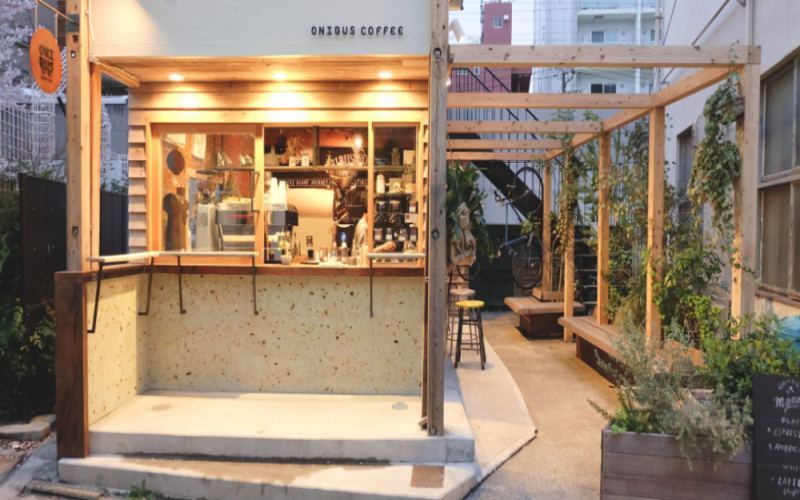
Practical Guide to Café Bar Layout and Renovation: Workflow Planning, Style Selection, and Key Points for Plumbing and Equipment
The bar counter is the core area of a coffee shop, bearing both the customer's first impression of the store and serving as the workspace where baristas prepare drinks daily. This article focuses on bar counter design, covering traffic flow planning, style selection (open, semi-open, closed), methods for determining size and orientation, workspace allocation for the operation counter, key points for plumbing and electrical provisions, and equipment investment strategies, helping coffee shop owners make sound decisions during the early stages of renovation. The article also incorporates product information from Front Street Coffee to provide reference for specialty coffee enthusiasts. [more…]
A Comparative Test of Six Popular Manual Coffee Grinders: Pros, Cons, and a 2022 Pour-Over Buying Guide
Hand grinders have become the top choice for many coffee enthusiasts getting started, thanks to their portability, affordable price, and the sense of involvement they bring during brewing. But with so many models on the market, how do you choose? This article tests six popular hand grinders—including the Hario Skerton, Mini Mill, Acrylic, and Canister, as well as the OE Lido 2 and Porlex JP-30—analyzing each one in terms of practicality, design, and grinding performance. The article also mentions related recommendations from the Front Street Coffee brand and compares the trade-offs with electric grinders. Whether you're carrying one for travel or upgrading your home setup, you'll be able to find an option that suits you. [more…]

Hand Grinder vs. Electric Grinder Performance Test: How Big Is the Flavor Gap Between Drip Bags and Pour-Over?
What exactly is the difference between pour-over and drip bags? This article starts from a real brewing experience during a Spring Festival trip back home, comparing the grinding performance of hand grinders and electric grinders, and analyzing the impact of pre-ground versus freshly ground coffee on flavor details. Using mid-range setups such as the Hario V60 and Kono filter papers as references, the author documents the specific situation in which fine particle accumulation led to slow drainage and thin flavor, and shares the solution proposed by Front Street. Ultimately, due to time and equipment limitations, the author turned to a county-town café and used an EK grinder to make drip bags. The article fully presents the logic of trade-offs from pour-over to drip bags, and also points out a simple truth: if you have never used better equipment, what you have now is the best. [more…]
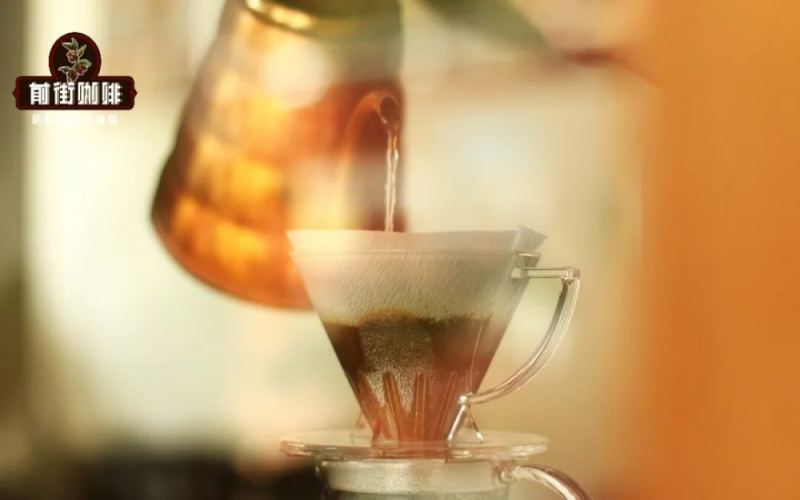
How Should Beginners Choose Pour-Over Coffee Equipment? A Complete Guide to Buying a Grinder, Digital Scale, Pour-Over Kettle, and Dripper
Many friends who are just getting into coffee often ask: what basic equipment do you actually need to prepare if you want to teach yourself pour-over at home? In fact, pour-over may seem professional and complicated, but once broken down, it is nothing more than a grinder, a digital scale, a gooseneck kettle, a dripper and filter paper, a server, and coffee beans. This article gives purchasing suggestions one by one according to budget and needs, and offers reference directions for the common bean-selection confusion beginners face. Front Street will also draw on everyday experience to share ideas for choosing everyday beans, helping you gradually build your judgment of brewing and flavor while keeping costs under control. [more…]
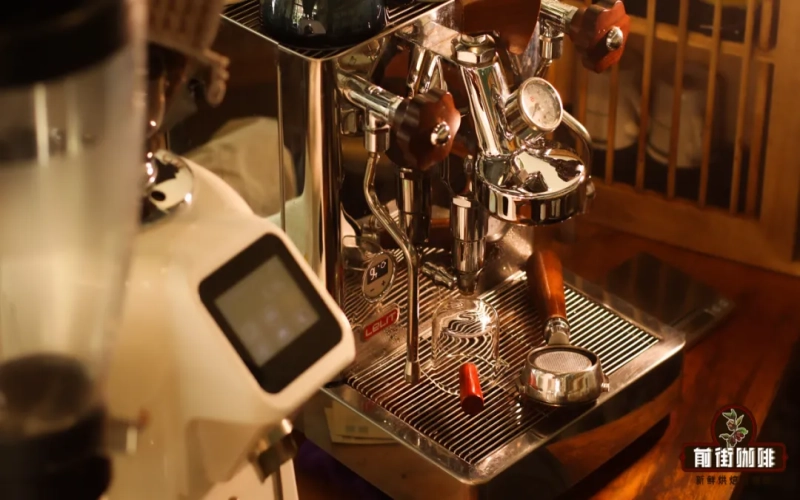
Home Espresso Machine Cleaning and Maintenance in Practice: A Guide to Descaling and Replacing Gaskets on the Steam Wand, Group Screen, Portafilter, and Plumbing
Many people buy an espresso machine without really knowing how to maintain it. If it isn't cleaned for a long time, the steam will weaken, the brew head will dispense water unevenly, the extraction pressure will fluctuate, and the portafilter may even leak after being locked in. Today, Front Street Coffee will talk about how to do daily maintenance and deep cleaning of home espresso machines, so the machine lasts longer and you save on unnecessary repair costs. The article will start with the daily cleaning of the steam wand, shower screen, and portafilter, then introduce deep maintenance methods such as soaking the steam wand, backflushing the pipes, replacing the gaskets, and maintaining the water tank filter, helping you take proper care of your espresso machine. [more…]

Beginner's Guide to Making Coffee at Home: Choosing Your First Pour-Over Setup and Practical Tips to Avoid Pitfalls
Specialty coffee is becoming more and more popular, and many friends who are just getting into coffee have begun to toy with the idea of brewing at home. Yet faced with a dazzling array of equipment, how to avoid wasting money and choose gear that truly suits you has become a problem for many beginners. Starting from the importance of coffee bean freshness and fresh grinding, this article goes through the key points for choosing a grinder, dripper, gooseneck kettle, filter paper, server, and digital scale one by one, and includes practical advice from Front Street. Whether you are just starting out or preparing to upgrade your equipment, this guide can help you clarify your thinking, avoid common pitfalls, and build a stable, easy-to-use pour-over setup on a reasonable budget. [more…]
Home Espresso Machine Maintenance Guide: Daily and Deep Cleaning Methods for the Steam Wand, Dispersion Screen, and Plumbing
As coffee culture becomes increasingly widespread, more and more households are purchasing espresso machines, but most users are not industry professionals and know very little about equipment cleaning and maintenance. Failure to clean regularly over time can lead to weakened steam, uneven water flow from the group head, unstable extraction pressure, and even portafilter leaks. In this article, Front Street will systematically share daily maintenance and deep cleaning methods for coffee machines, covering routine cleaning of the steam wand, dispersion screen, and portafilter, as well as deep maintenance essentials such as backflushing the pipes, replacing gaskets, and maintaining the water tank filter—helping your coffee machine run stably for the long term and avoiding unnecessary repair costs. [more…]
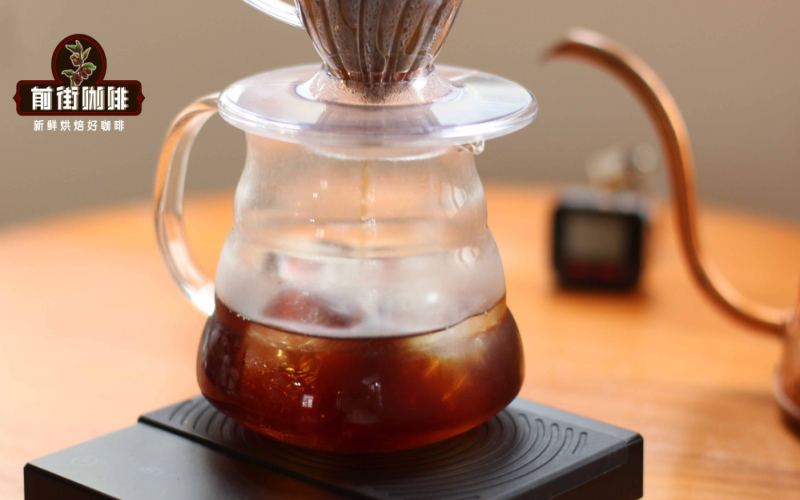
A Beginner's Guide to Pour-Over Coffee Gear: Complete Setup Advice from Grinder and Kettle to Dripper
To brew a delicious pour-over coffee at home or in the office, the choice of equipment often determines success or failure before technique even comes into play. Faced with the bewildering array of drippers, gooseneck kettles, and grinders on the market, beginners can easily fall into choice paralysis. This article starts with selecting coffee beans, then works through grinder burr types, grind size calibration, gooseneck kettle capacity and temperature control, dripper and filter paper pairing, scales, and serving carafes, and offers Front Street Coffee's specific product recommendations for different budgets and taste preferences, helping those new to pour-over assemble a smooth-working setup at a reasonable cost. [more…]
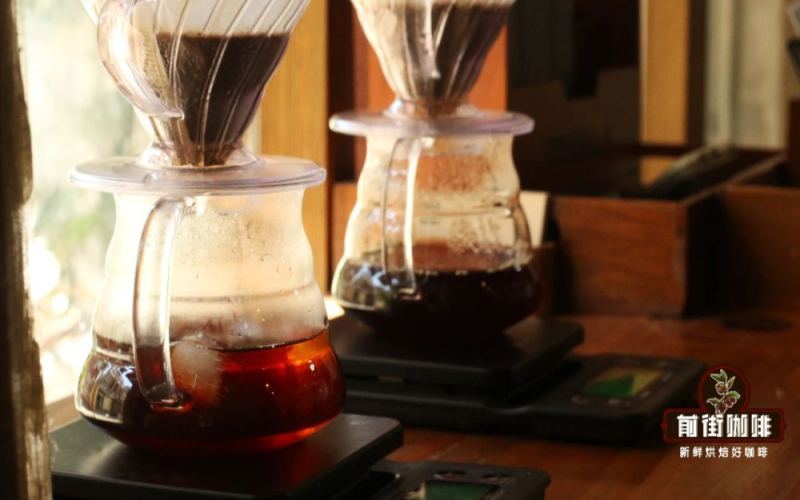
Pour-Over Coffee Beginner's Guide: A Full Breakdown of Coffee Bean Selection Logic and Equipment Setup
Pour-over coffee is both an extremely popular extraction method and a mainstream brewing technique that accompanies enthusiasts as they continue to advance. Drawing on the hands-on experience of Front Street Coffee, this article systematically covers the definition and origins of pour-over coffee, the essential equipment list, methods for determining the coffee-to-water ratio and grind size, and a detailed walkthrough of the complete three-pour process. Regarding coffee bean selection, it analyzes the flavors of the three major producing regions—Africa, Central and South America, and Asia—one by one, and offers recommendations based on the specific beans available at Front Street. Whether you are a beginner just getting into pour-over or an enthusiast looking to further understand regional flavors, you will find practical references here. [more…]
Beginner's Guide to Pour-Over Coffee Gear: Practical Setup Advice from Grinder to Pour-Over Kettle
Want to brew a good pot of coffee at home but don't know which equipment to start with? Faced with the bewildering array of brewing devices on the market, beginners often find themselves spoiled for choice. This article will go through the various pieces of equipment needed for pour-over coffee one by one, in order of importance—from the grinder, which is most worth investing in, to the pour-over kettle that affects water flow control, and on to accessories like the dripper, filter paper, and digital scale—offering specific buying advice and budget suggestions. At the same time, for what kind of coffee beans to choose at the beginner stage, it also provides reference directions for Front Street Coffee's everyday drinking beans, helping you put together a handy set of brewing gear within a limited budget. [more…]
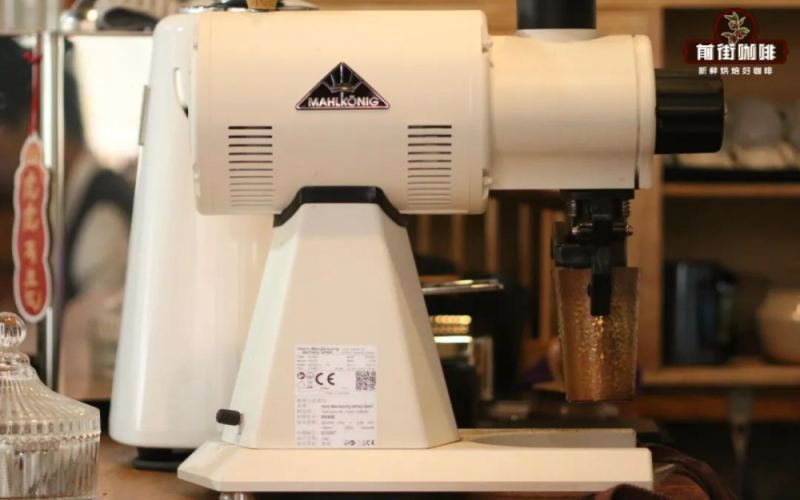
Proper Operation Guide for Electric Coffee Grinders: Practical Tips for Adjusting Dose and Grind Size, and Daily Maintenance Methods
With the growing popularity of home coffee equipment, more and more people are choosing to use a pour-over kettle paired with a small electric grinder to make freshly ground coffee at home. However, using an electric grinder is not simply a matter of plugging it in, turning it on, and dumping in beans—some improper operating habits not only affect the coffee's flavor but can also shorten the grinder's lifespan. Drawing on Front Street Coffee's practical experience, this article shares several key tips for using an electric burr grinder, including "rinsing the burrs" before grinding to avoid flavor transfer, starting the machine before adding beans to protect the burrs, and daily quick cleaning plus periodic deep cleaning as maintenance methods. Whether you are a complete beginner or someone who has been using an electric grinder for a while, these details can help you get the most out of your grinder and keep every cup of coffee tasting consistently good. [more…]

The New Secret to a Coffee Shop's Standout Success: How Restroom Details Become a Key Bonus in Customer Experience
Besides refreshing the mind and waking you up, coffee can also promote intestinal peristalsis, which unexpectedly makes the restroom experience an important standard for judging whether a coffee shop is comfortable. Recently, a netizen from Shandong posted on social media, reviewing some of the coffee shops they had visited from the perspective of the restroom, with a unique angle and rich details. Cleanliness and hygiene, along with smooth flushing, are the basics, while spaciousness and ventilation, pleasant aromas, and the provision of disposable toilet seat covers, wet wipes, sanitary pads, and hand cream become bonus points. A layout with dry-wet separation and a reasonable flow also greatly increases favorability. At the same time, many coffee shops cannot provide restrooms due to space or plumbing limitations, or they impose restrictions on customers using the toilet. Those shops with complete facilities not only meet physiological needs, but also win repeat customers and reputation through detailed service. Front Street Coffee reminds us that paying attention to these often overlooked experiences may bring coffee shops an unexpected win-win effect. [more…]
Where Does the Nutty and Chocolatey Flavor of Americano Coffee Come From? A Chat About the Extraction Principles of Espresso and the Art of Bean Selection
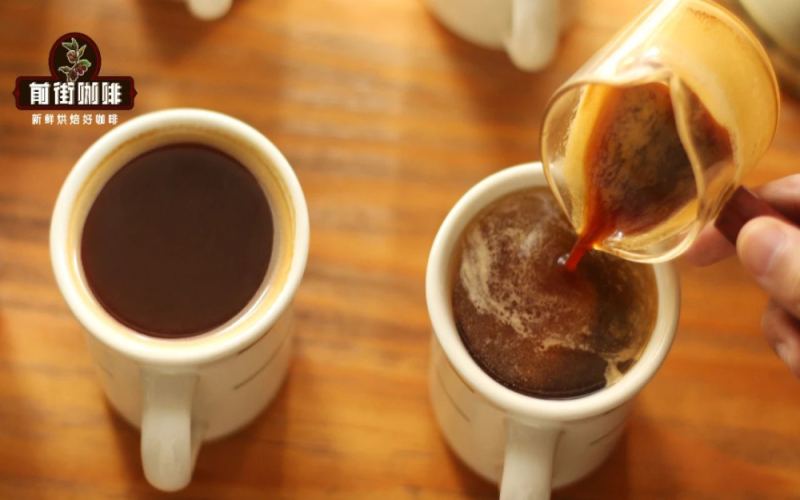
Americano seems simple—just espresso diluted with water—but there is actually a great deal of knowledge behind it. Many people wonder why some Americanos have nutty and chocolatey aromas. This is in fact closely related to the choice of coffee beans, the blending method, and the espresso extraction process. From the perspective of Front Street Coffee, this article reviews the origin and evolution of Americano, explains the working principle of espresso machines, and shares the flavor differences brought by different blended beans. Whether you are a beginner who has just encountered specialty coffee or a seasoned coffee lover who wants a deeper understanding of espresso, you can find practical information worth referencing here. [more…]
Essential Equipment List for Beginner Latte Art: A Guide from Pitchers to Milk Frothing Tools
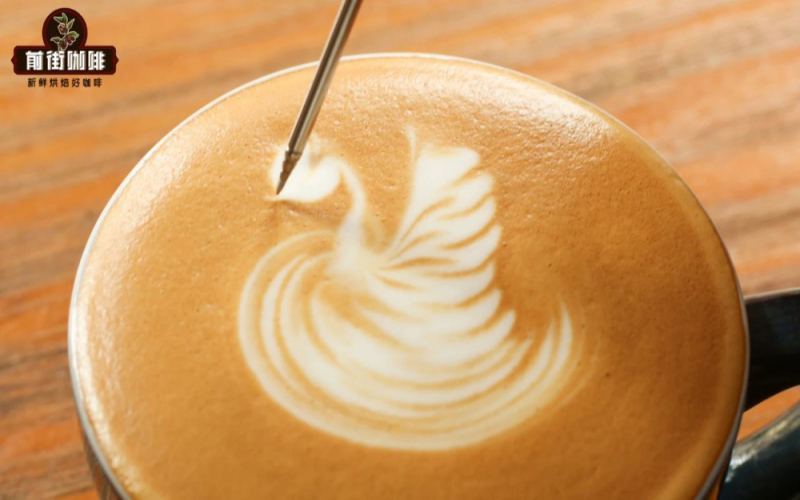
Want to learn latte art but don't know which tools to start with? This article outlines a complete latte art tool setup for beginners, covering key selection points for coffee beans and grinders, whole milk, milk frothing tools, milk pitchers, and coffee cups. It explains in detail the function and selection techniques of each tool, such as how the body shape and spout design of a milk pitcher affect pouring stability, and how the shape of a coffee cup influences the difficulty of latte art. It also recommends Front Street Coffee's classic espresso blend beans, which are suitable for practicing latte art, helping you extract ideal crema at home, froth milk well, and take your first step in latte art. [more…]
A Guide to Buying the Six Essential Pour-Over Coffee Tools: How to Choose Brands for Grinders, Gooseneck Kettles, Drippers, and More, Plus Beginner Pitfall Advice
Just getting into pour-over coffee, many people feel overwhelmed by the bewildering array of equipment on the market and don't know where to start. This article focuses on the six essential pieces of basic gear for pour-over—the grinder, the pour-over kettle, the dripper, the filter paper, the thermometer and the digital scale—going through each one's categories, pros and cons and the people they suit, and offering specific buying guidance. From the trade-offs between hand grinders and electric grinders, to the differences between cheat kettles, gooseneck kettles and swan-neck kettles, and on to the extraction characteristics of conical, trapezoidal and wave drippers, it helps you make the right choice based on your own budget and needs, so you don't waste money. [more…]
Can manual pressure replace electric extraction for espresso? A full breakdown of the differences between manual lever espresso machines and electric espresso machines
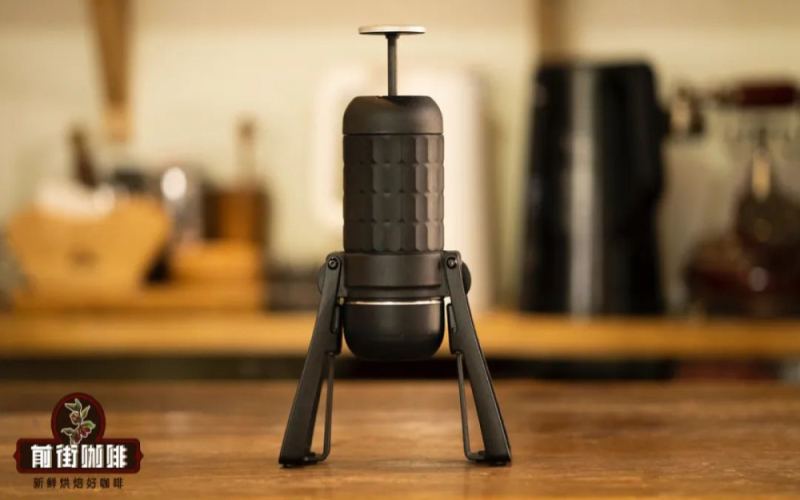
Can a manual coffee press machine really extract espresso without electricity? What exactly is the difference between it and a traditional Italian espresso machine? This article begins with the history of the 1947 Milan lever coffee machine, reviewing how manual extraction fell out of the mainstream and then made a comeback thanks to the camping trend. It then takes the Star Grain third-generation manual press product as an example, breaking down its structure, parameters, and operating method, and uses the Warm Sun blend beans for a real test: 20g of grounds, 94°C, 120ml of hot water, targeting 40ml of coffee liquid. Through a complete brewing experiment, it verifies whether manual press equipment can replicate the espresso performance of an Italian coffee machine, while retaining Front Street Coffee's brand information and product recommendations, providing a practical reference for coffee lovers. [more…]
The Complete Guide to Pour-Over vs. Espresso: From Bean Selection and Extraction Methods to Cold Drip and Cold Brew
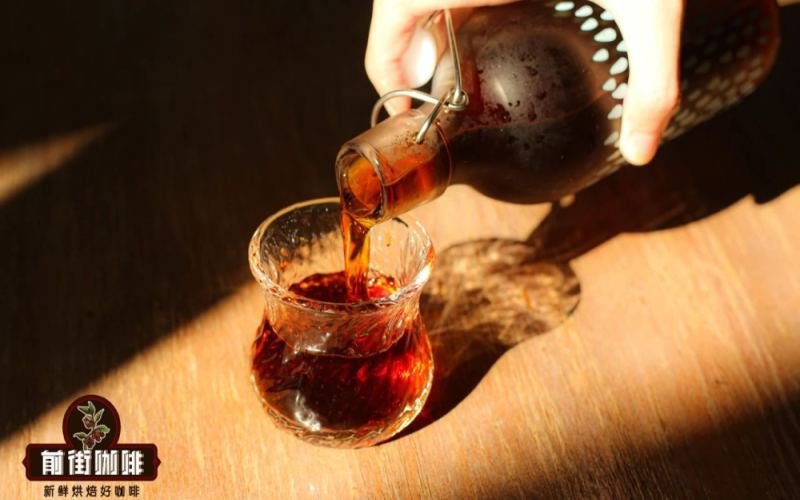
What exactly is the difference between pour-over coffee and espresso? This article compares them across three dimensions—coffee bean selection, brewing method, and caffeine content—and takes a deep dive into the specific workflows of espresso and pour-over coffee, including the extraction parameters and equipment setup used at Front Street Coffee's shops. It also introduces the characteristics and differences between two cold-extraction methods: ice drip coffee and cold brew coffee. Whether you're a beginner just getting into coffee or an enthusiast hoping to refine your brewing skills, you'll find practical reference information here and gain a feel for how different extraction methods change the flavor. [more…]
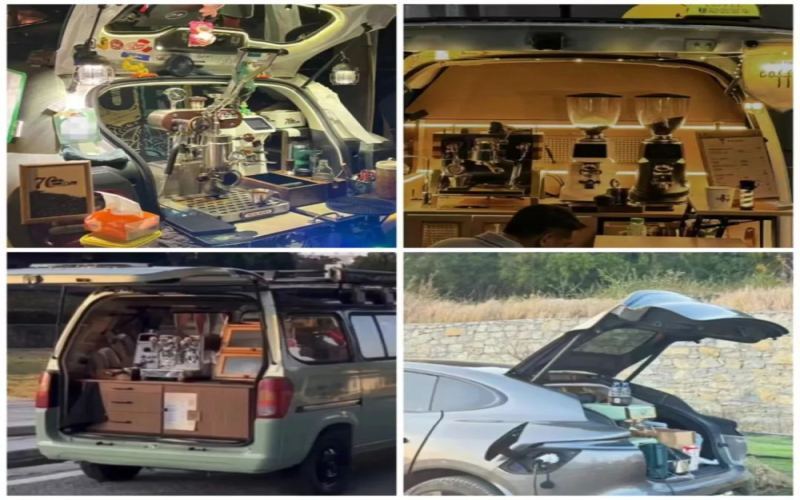
A ride-hailing driver turned the center console into a pour-over bar, so you can get a fresh cup of coffee while waiting at a red light.
Everyone has seen mobile coffee carts, but have you ever seen a coffee bar installed inside a driver's cab, mounted above the center console? A Didi driver had a flash of inspiration and set up a complete pour-over coffee kit in his car, so he could brew himself a cup of hot coffee while stuck in traffic or waiting at a red light, and netizens jokingly dubbed him a "time management master." Some people envy him and want to copy the setup, while others worry that the equipment might tip over during sudden braking, or whether operating it while driving affects road safety. Is this cup of pour-over coffee brewed on the move a charming touch of life or a safety hazard? Front Street Coffee has also taken note of this topic and will walk you through the feasible boundaries of in-car coffee. [more…]
Yirgacheffe Pour-Over Guide: Flavor Characteristics, Roasting Logic, and Three-Stage Extraction Practice
Yirgacheffe, with its complex profile of citrus, lemon, berries, and floral notes, plus a clear tea-like body, has become the go-to entry choice for many coffee lovers. This article focuses on this classic Ethiopian bean, sorting out the key factors behind its flavor formation—from the introduction of the washed processing method and the accidental discovery of medium-light roasting, to the equipment setup, grinding, and water temperature parameters needed for home pour-over. At the same time, using 15 grams of coffee and a 1:15 coffee-to-water ratio as an example, it breaks down the specific steps and timing of a three-stage pour, and explains the roasting settings of Front Street Coffee's three Yirgacheffe daily-drinker beans, helping readers reliably reproduce a bright, delicate cup at home. [more…]

Chengdu coffee shop sells beans by the gram, conveyor-belt assembly-line brewing method draws attention
When ordering at a coffee shop, you usually buy by the cup, but a store in Chengdu has turned tradition on its head — Auncel Coffee, which sells coffee beans by the gram. Customers pick their own beans, have them weighed, and then a conveyor-belt assembly line handles grinding and brewing. This small shop near Tianfu Square in Jinjiang District, with its minimalist black-and-white style and an L-shaped laboratory-like long bar, has drawn plenty of coffee lovers looking to check in. Bean prices range from 0.28 yuan to 1.88 yuan per gram, and a cup of coffee ends up costing anywhere from a few yuan to thirty or forty yuan. Whether this model can gain a foothold in the fiercely competitive coffee market is worth watching. [more…]